
- Sorry we do not accept Medicare or Medi-Cal
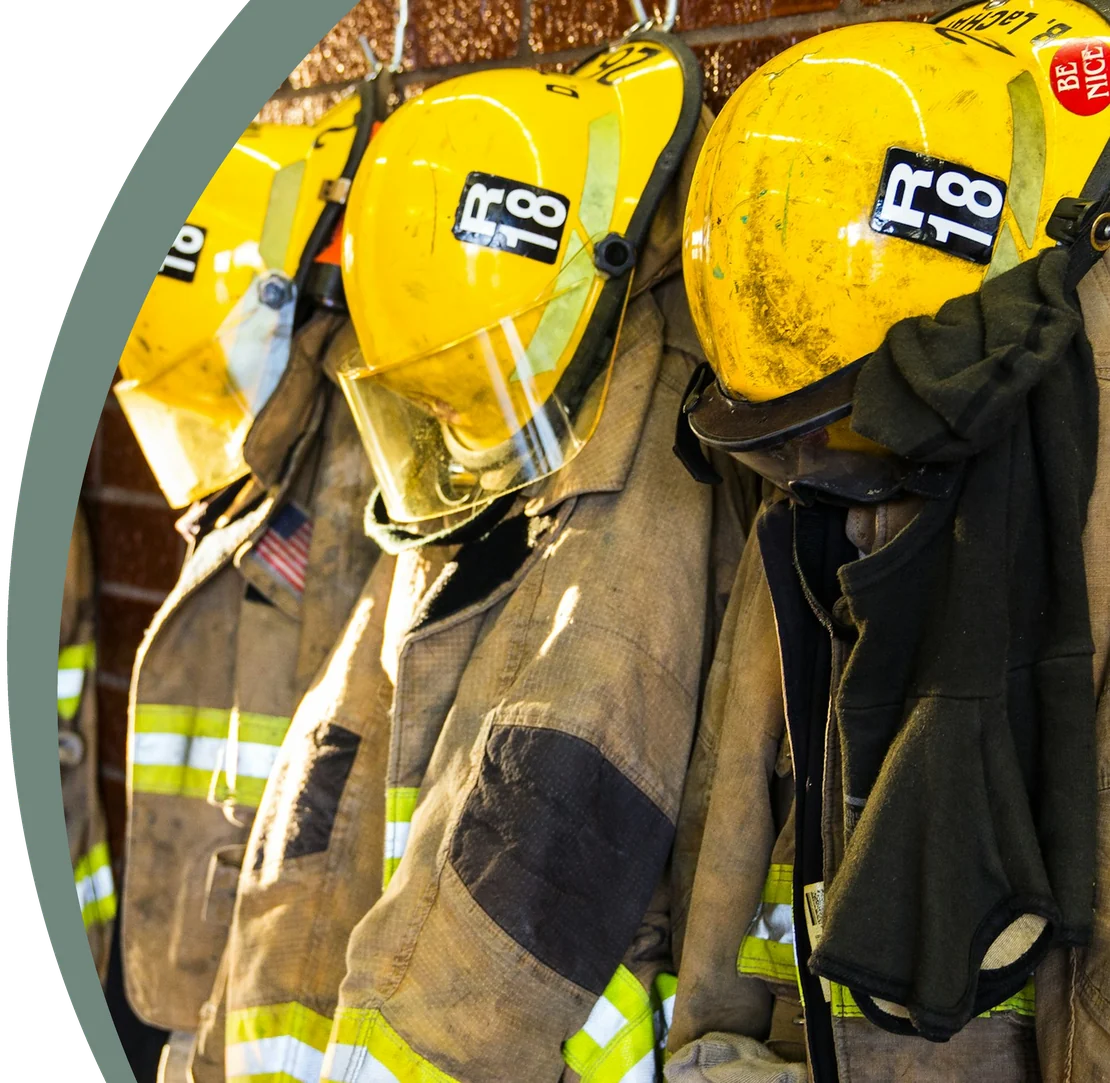
Mental Health Treatment for First Responders in California
- Published: November 9, 2026
- Last Updated: November 9, 2026
 Authored by:Sierra Meadows Editorial Staff
 Clinically reviewed by:Louisa Gee, LMFT
Table of Contents
Key Takeaways
- Tailored mental health programming designed for police officers, firefighters, paramedics, and 911 dispatchers.
- Addressing complex conflicts of conscience alongside fear-based post-traumatic stress responses.
- Dedicated clinical professionals on site in the Central Valley providing evidence-based trauma care.
- In-network with TRICARE, including TRICARE West, to support active military members and veterans.
- Transparent information regarding health records, with department-specific policies routed to admissions.
- Confidential crisis resources are available 24/7 by calling or texting the 988 Lifeline.
What First Responders Carry Home
Effective mental health treatment for first responders starts from a fundamentally different place than general psychiatric care, because the exposure to distress is chronic, expected, and rarely discussed after a shift ends. Whether you serve as a police officer, a firefighter, a paramedic, or a 911 dispatcher, the culture of emergency services often demands an unyielding presentation of composure. Over time, the expectation to absorb critical incidents without processing them creates an overwhelming internal weight that affects every area of life.
Struggling with these experiences does not mean you are broken or unfit for duty; it is a human physiological response to severe occupational stress. Sierra Meadows Behavioral Health is a locally owned organization in the Central Valley treating adults 18 and older. We provide specialized care to help you process occupational trauma without judgment, supporting both police officer mental health and long-term firefighter behavioral health.
Moral Injury vs. PTSD
While post-traumatic stress disorder (PTSD) can keep the brain and body on high alert, triggering feelings of fear or threat even when a person is safe, moral injury represents the lasting emotional distress that occurs when the demands of the job require someone to do, witness, or fail to prevent an act that deeply violates their core moral beliefs. Recognizing this distinction is essential for effective moral injury treatment, as standard exposure therapies that focus solely on anxiety reduction may not address deep feelings of guilt, shame, or a loss of trust. Understanding how these two clinical concepts differ helps clarify why traditional therapy sometimes falls short for emergency personnel seeking paramedic PTSD care:
| Clinical Feature | Post-Traumatic Stress Disorder (PTSD) | Moral Injury |
|---|---|---|
| Primary Trigger | Exposure to actual or threatened death, serious injury, or violence. | Experiencing or witnessing events that violate deeply held moral values. |
| Core Emotion | Fear, horror, helplessness, and hypervigilance. | Guilt, shame, remorse, and profound loss of trust. |
| Physical Manifestation | Involuntary startle response, panic attacks, and physiological hyperarousal. | Persistent feeling of moral pollution, self-condemnation, and social withdrawal. |
| Cognitive Focus | “The world is unsafe, and I am in immediate danger.” | “I or my institution failed to do what was right.” |
| Diagnostic Status | Formal DSM-5 psychiatric diagnosis. | Recognized clinical concept describing moral distress. |
Common Conditions in This Line of Work
The psychological toll of emergency service work often leads to interrelated behavioral health conditions. According to a published CDC/NIOSH Science Bulletin, EMS providers are 1.39 times more likely to die by suicide than members of the general public. Furthermore, data indicates that 17 to 24% of 911 telecommunicators meet the criteria for PTSD, with 24% exhibiting significant depressive symptoms. Addressing 911 dispatcher mental health alongside field roles is vital for comprehensive community wellness.
- Post-Traumatic Stress Disorder: experiencing intrusive memories, nightmares, severe hypervigilance, and intense physical reactions to traumatic triggers.
- Major Depression: living with a persistent low mood, emotional numbness, loss of motivation, and chronic fatigue.
- Generalized Anxiety: enduring constant nervous tension, panic episodes, and a perpetual state of high alertness.
- Chronic Insomnia: struggling to fall asleep or stay asleep due to an overactive nervous system and shift work disruptions.
- Substance Use: turning to alcohol or medications to temporarily mute painful memories or induce sleep.
Through our dedicated trauma and PTSD program, clients receive targeted, skills-based therapy in an environment structured around safety, emotional regulation, and stability, ensuring that first responder PTSD treatment is delivered effectively.
Take The Next Step Towards Healing
We offer support for a wide range of mental health conditions. No single case is exactly like the other and our team of seasoned and compassionate clinicians are ready to help you or your loved one find a path to success.
Struggles First Responders Face When Asking for Help
The primary barrier preventing emergency personnel from seeking care is rarely a lack of information; it is the perceived professional and personal cost of stepping forward. The implicit expectation to absorb critical incidents, combined with the fear of being perceived as unreliable by peers, leads many individuals to suffer in silence. While peer support networks provide immense value for day-to-day decompression, peer support alone is not a substitute for clinical treatment when managing severe PTSD or moral injury. When you contact our admissions team, you will experience an unhurried, trauma-informed consultation designed to answer your questions and explain your options without pressure.
What We Do and Do Not Share
Protecting your privacy is a cornerstone of our clinical practice. Sierra Meadows Behavioral Health does not contact your employer, department, or union to disclose that you called or entered treatment. All clinical records are protected health information under federal HIPAA regulations and California Department of Health Care Services (DHCS) standards. There are specific, limited circumstances where health information is shared: when you sign a voluntary written release, when your insurance provider requires clinical documentation to authorize coverage, or when mandatory legal reporting standards apply.
However, our facility cannot answer questions regarding your department’s internal self-reporting policies, licensing board inquiries, or fitness-for-duty evaluations, which should be reviewed with your union representative or supervisor. Our physical campus features an on-site clinical team reachable mid-week, providing a safe, discrete space for your care.
How TRICARE and Other Coverage Works Here
Understanding health insurance logistics helps remove financial uncertainty from the recovery process. Sierra Meadows Behavioral Health is proudly in-network with major health plans, making high-quality care accessible across California. We are in-network with TRICARE, serving active duty military, veterans, and their families. Please note that TRICARE West is a regional designation administered by TriWest Healthcare Alliance, rather than a separate insurance carrier.
We also hold in-network relationships with Blue Shield of California and Anthem, while working with other private insurance carriers on an out-of-network basis. Sierra Meadows Behavioral Health cannot accept Medi-Cal or Medicare; individuals holding Medi-Cal or Medicare are encouraged to contact Fresno County Behavioral Health or call the national SAMHSA helpline at 1-800-662-HELP for local public resources. If you need TRICARE behavioral health in California, you can submit your details through our online insurance verification form. Our facility is accredited by The Joint Commission and certified by the California DHCS.
Bringing Family Into Treatment
Occupational trauma inevitably impacts the home environment, creating strain in personal relationships and family dynamics. Sierra Meadows offers structured family therapy sessions to help loved ones understand the physiological effects of chronic stress, improve communication, and establish healthy boundaries. However, family participation is entirely voluntary. If you are not ready to involve your family or prefer to keep your treatment private from your household, that decision is respected and fully honored. Offering both family engagement and the complete freedom to decline ensures that your personal boundaries remain intact throughout your recovery.
If You Need Help Right Now
If you are experiencing an acute emotional crisis or thoughts of self-harm, immediate, confidential support is available 24 hours a day.
- 988 Suicide & Crisis Lifeline: Call or text 988 to connect with free, confidential crisis counseling.
- Sierra Meadows Crisis Line: Call (559) 326-7775 to speak directly with our clinical team.
You do not need to wait for a crisis to escalate before reaching out for help. If Sierra Meadows cannot serve your specific clinical needs, our team will provide quality referral resources to ensure you find appropriate care.
Mental Health Treatment for First Responders at Sierra Meadows
If what you are carrying home feels less like ordinary stress and more like a heavy burden you cannot put down, know that moral injury and occupational trauma are recognized, treatable clinical conditions. Taking the first step toward recovery requires only a conversation, with no commitment attached. When you are ready, we invite you to reach out to our team by completing our confidential contact form to schedule a comprehensive assessment. Located in the Central Valley, Sierra Meadows Behavioral Health is here to provide the structured, trauma-informed care you need to restore your health and peace of mind.
Related Reading
Talk to someone who understands the work
Confidential admissions in Fresno and Visalia. We do not contact your employer or department.
Call (559) 326-7775Verify InsuranceTestimonials
FAQs about First Responder Mental Health Care
Will seeking treatment be reported to my employer or department?
No, Sierra Meadows Behavioral Health does not notify your employer, department, or union that you called or entered treatment. Your clinical records are protected under federal HIPAA laws and state privacy standards. Information is only shared with a voluntary release, for insurance authorization, or under mandatory legal exceptions.
What is moral injury, and how is it different from PTSD?
PTSD is a fear response to life-threatening events that causes flashbacks, hypervigilance, and panic. Moral injury occurs when an individual witnesses or participates in actions violating core moral principles, leading to severe guilt and shame. While they frequently co-occur, moral injury is a clinical concept requiring specialized therapeutic approaches beyond anxiety reduction.
Does Sierra Meadows take TRICARE in California?
Yes, Sierra Meadows Behavioral Health is in-network with TRICARE, serving active military, veterans, and first responders. TRICARE West is administered by TriWest Healthcare Alliance, and our admissions team can verify your policy details. We work directly with TRICARE to streamline authorizations and minimize out-of-pocket costs.
Do I have to stop working to get treatment?
Not necessarily, as the recommended level of care depends on your clinical assessment and schedule needs. We offer residential care, partial hospitalization (PHP), and intensive outpatient programming (IOP). Our evening IOP option allows working adults to receive structured care without stepping away from employment.
Is the program only for military veterans?
No, Sierra Meadows serves adults 18 and older from all professional backgrounds. However, our trauma program heavily serves military veterans, police officers, firefighters, paramedics, and dispatchers due to high occupational stress. Receiving care alongside peers who understand emergency service culture ensures you do not have to explain the daily realities of your job.
| Authored By: Sierra Meadows Editorial Staff Sierra Meadows Behavioral Health is supported by a multidisciplinary team with experience in adult mental health treatment, psychiatric care, clinical programming, admissions, and operations. With locations serving Fresno, Visalia, and surrounding Central Valley communities, Sierra Meadows provides structured care for adults experiencing depression, anxiety, trauma, bipolar disorder, personality disorders, psychosis, dual diagnosis, and other complex mental health concerns. Content connected to Sierra Meadows is informed by the facility’s clinical and operational teams, along with communications professionals who help translate mental health topics into clear, compassionate, and accessible resources. |
Admissions Process
We know that asking for help takes courage. Getting in touch is the first step. We’re here for you, no matter what. Once submitted, our admissions team will be in touch within 24 hours.
Or call us directly to get started: 559-326-7775
Contact Us
Initial assessment and medication evaluation
Making sure that you or your loved one are assessed for optimal care.
Individualized treatment plan
We craft a treatment plan tailored to suite your individual needs.
Medication management
Our clinicians make sure that you access the medication you need.
Follow up psychiatry visits
We make sure you or your loved one are take care of after your stay.
Getting Started
We know that asking for help takes courage. Getting in touch is the first step. We’re here for you, no matter what. Once submitted, our admissions team will be in touch within 24 hours.
Or call us directly to get started: 559-326-7775
Contact Us
How It Works
At Sierra Meadows, we provide personalized treatment designed just for you, ensuring a safe and supportive environment every step of the way.
Initial Assessment and Medication Evaluation
Making sure that you or your loved one are assessed for optimal care.
Individualized Treatment Plan
We craft a treatment plan tailored to suit your individual needs.
Medication Management
Our clinicians make sure that you access the medication you need.
Follow up Psychiatry Visits
We make sure you or your loved one are taken care of after your stay.